



Image Recognition Audit Software
Turn Field Photos Into Operational Intelligence
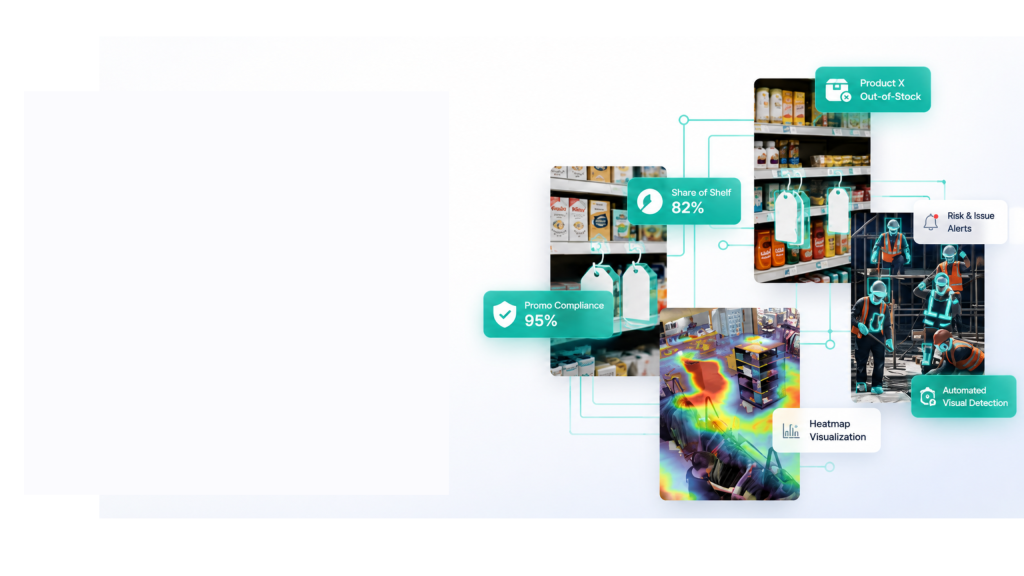
FieldPie’s AI Image Recognition automatically detects products, shelves, assets, and operational issues — turning field photos into instant, actionable intelligence.

4.5

4.8
Grow Your Business With FieldPie
Managing multiple field operations—whether retail, merchandising, audits, or services—is complex. Missed standards, outdated data, and poor visibility cost time and revenue. FieldPie’s AI image recognition platform turns every photo from the field into actionable insight. It automatically detects products, shelves, signage, and assets, verifying compliance with your brand and operational rules.
With real-time visual intelligence, you can track execution quality across all locations, ensure consistent brand presence, and fix issues before they affect performance. Whether it’s auditing stores, monitoring assets, or managing merchandising tasks, FieldPie keeps every team aligned, compliant, and on track.
4.5
4.8
Smarter Store Audits with AI Recognition
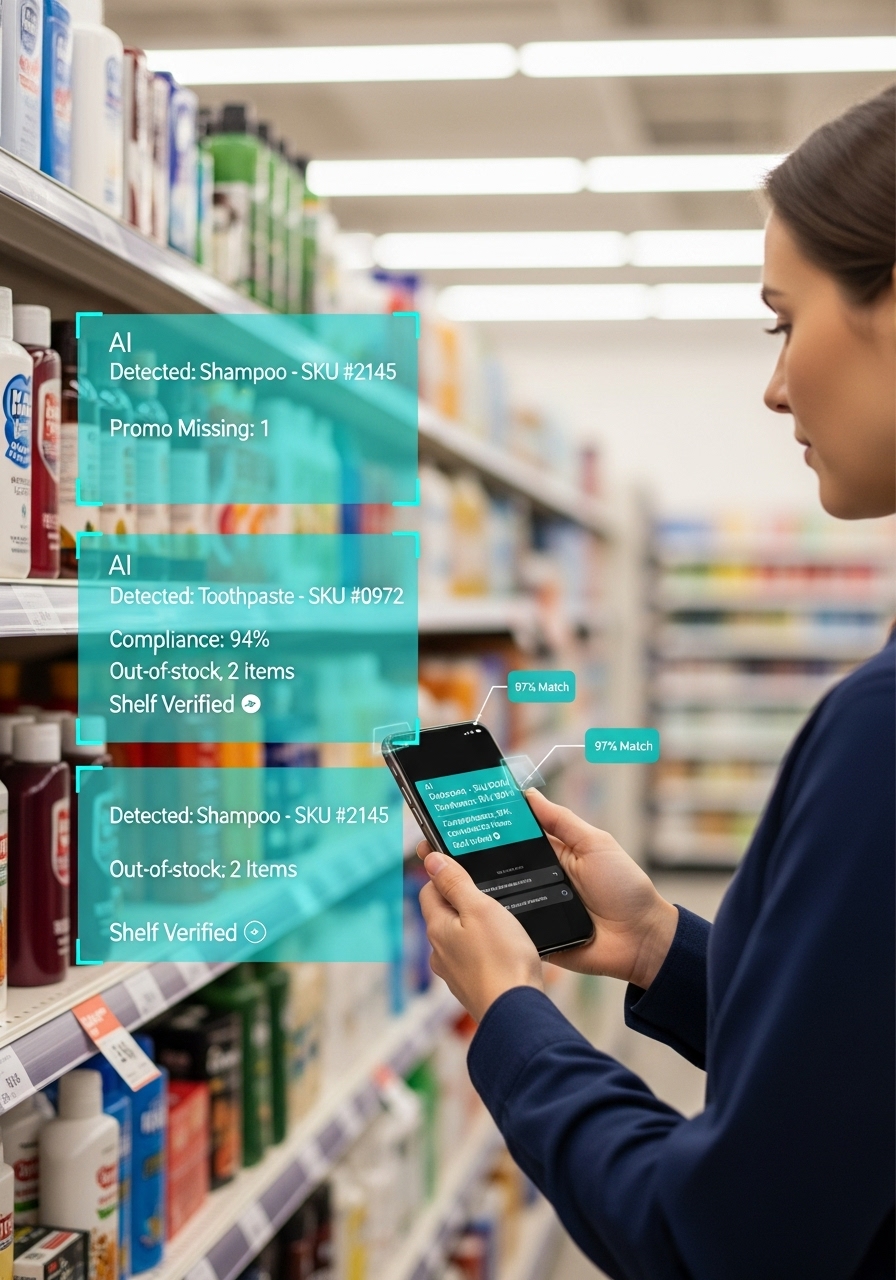
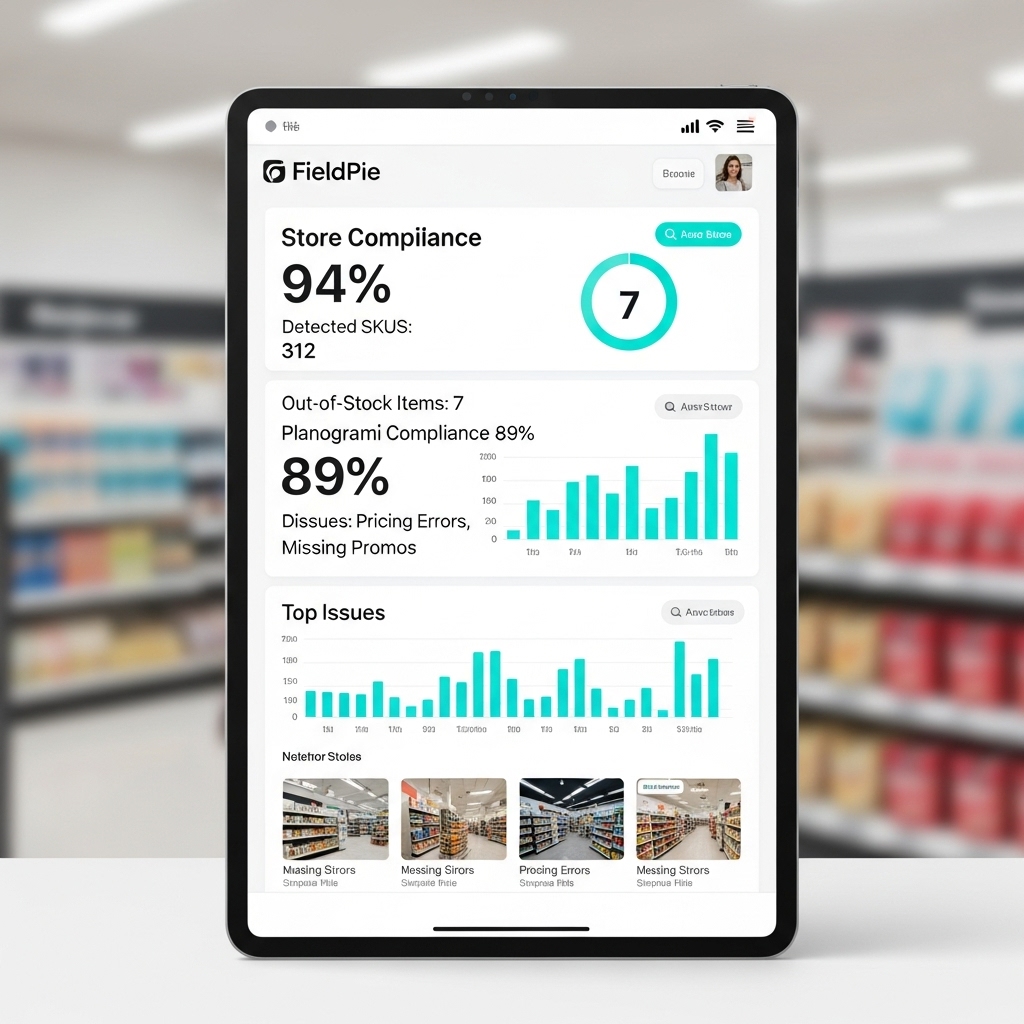
FieldPie’s AI-powered retail intelligence transforms every store photo into actionable insights. With advanced AI image analysis and retail image processing, FieldPie detects products, pricing, promotions, and brand assets in seconds—so every location stays compliant, consistent, and on brand.
- Fix Problems and Protect SalesFrom planogram compliance monitoring to out-of-stock detection, FieldPie automatically highlights execution gaps before they cost revenue. You can see which stores meet standards, follow promotions, and maintain shelf visibility—all in real time with AI-powered reporting.
Smarter In-Store Insights with AI
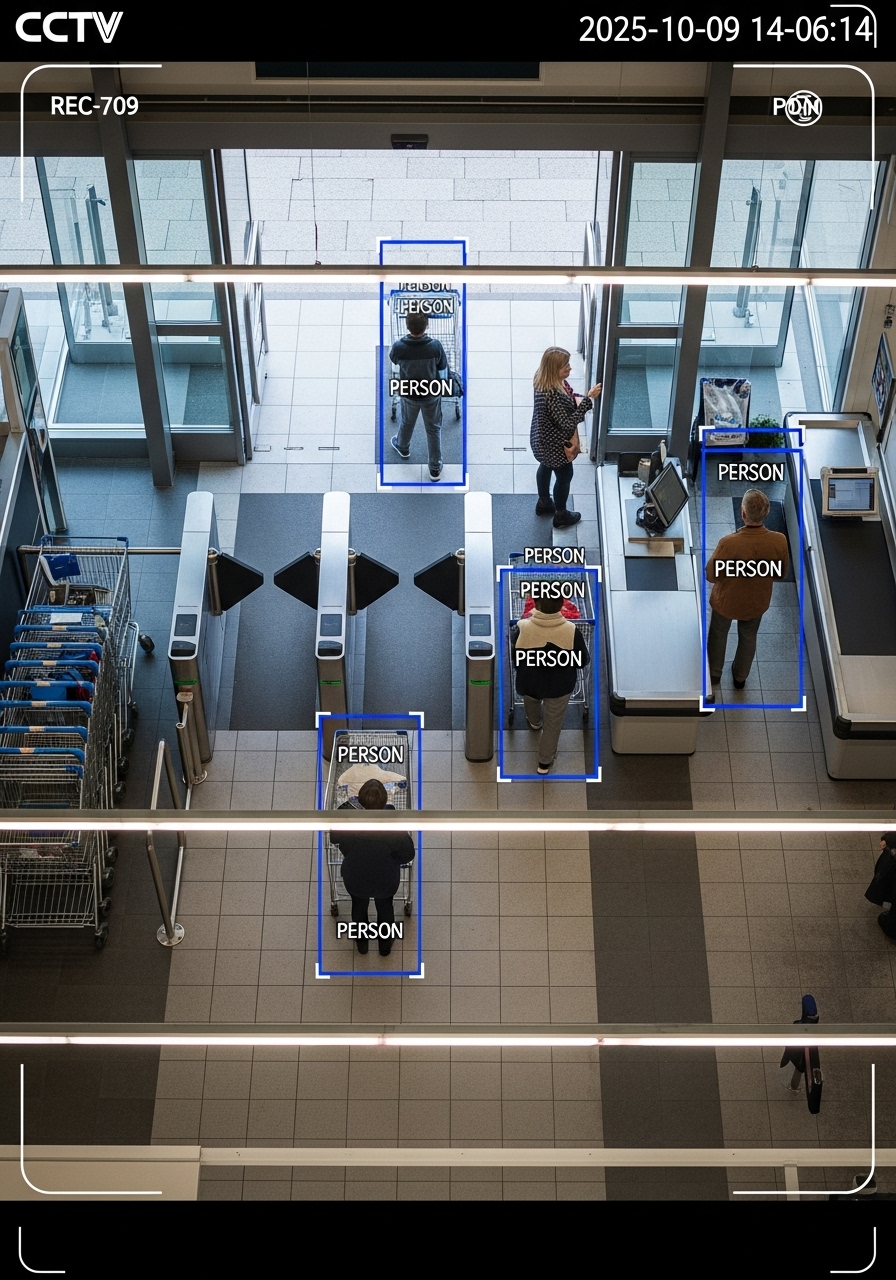
FieldPie turns in-store activity into actionable intelligence. From shopper behavior and product performance to staff efficiency and store layout, see your entire retail experience in one view.
Shopper Insights
Understand who visits your stores and how they engage with displays, promotions, and products. Track foot traffic, visitor behavior, and engagement patterns to target campaigns effectively and strengthen customer segmentation.
Store Performance
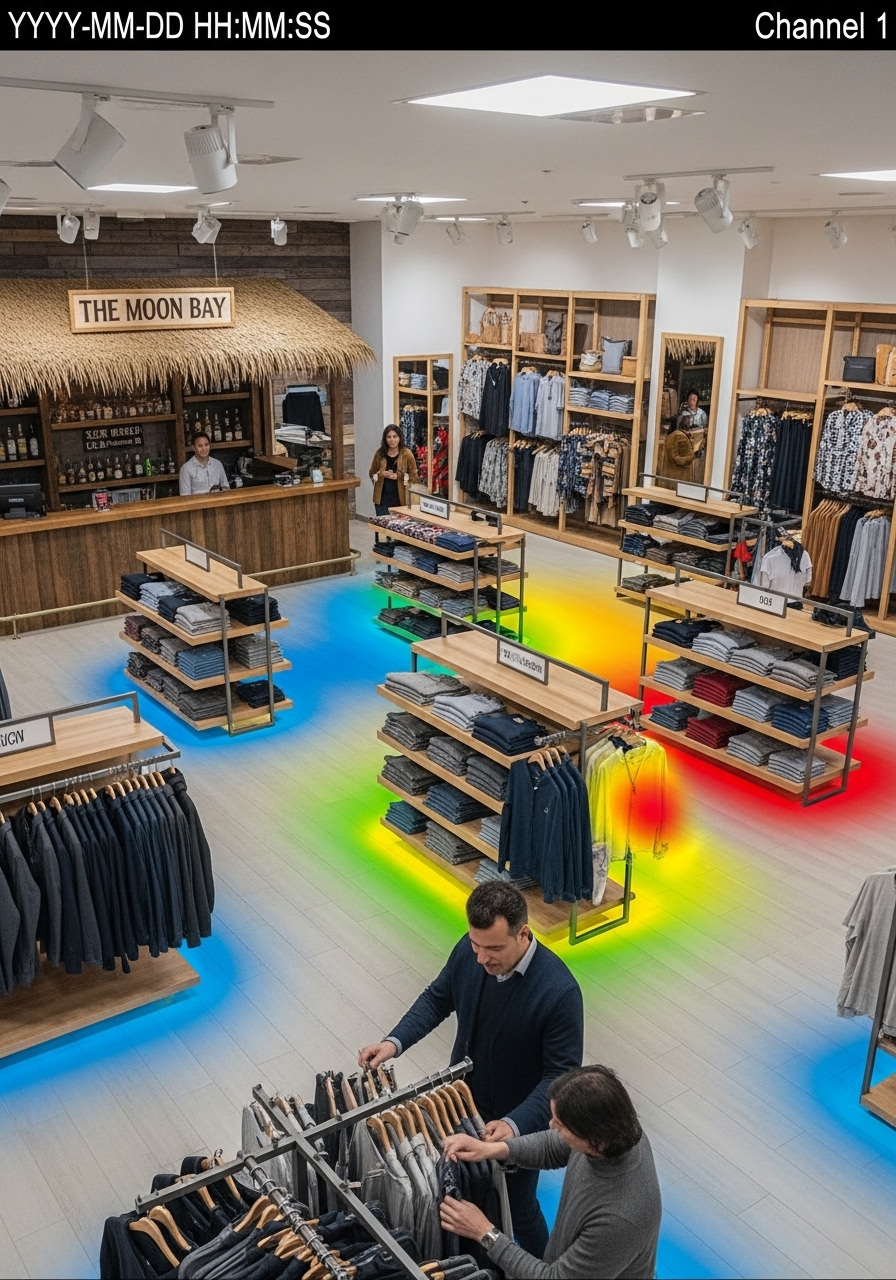
Visualize store activity with AI-powered heatmaps that reveal busiest areas and checkout queues. Optimize store layouts, reduce waiting times, and enhance the overall shopping experience.
Staff Efficiency
Measure team responsiveness and service performance when shoppers are present. Automatically filter out employee movement to ensure accurate shopper analytics and allocate staff resources efficiently.
Product & Display Insights
Identify top-performing products with real-time product testing and display analytics. See which items attract the most attention, how many demos convert to sales, and refine your merchandising strategy accordingly.
4.5
4.8
Automatic Detection & Classification
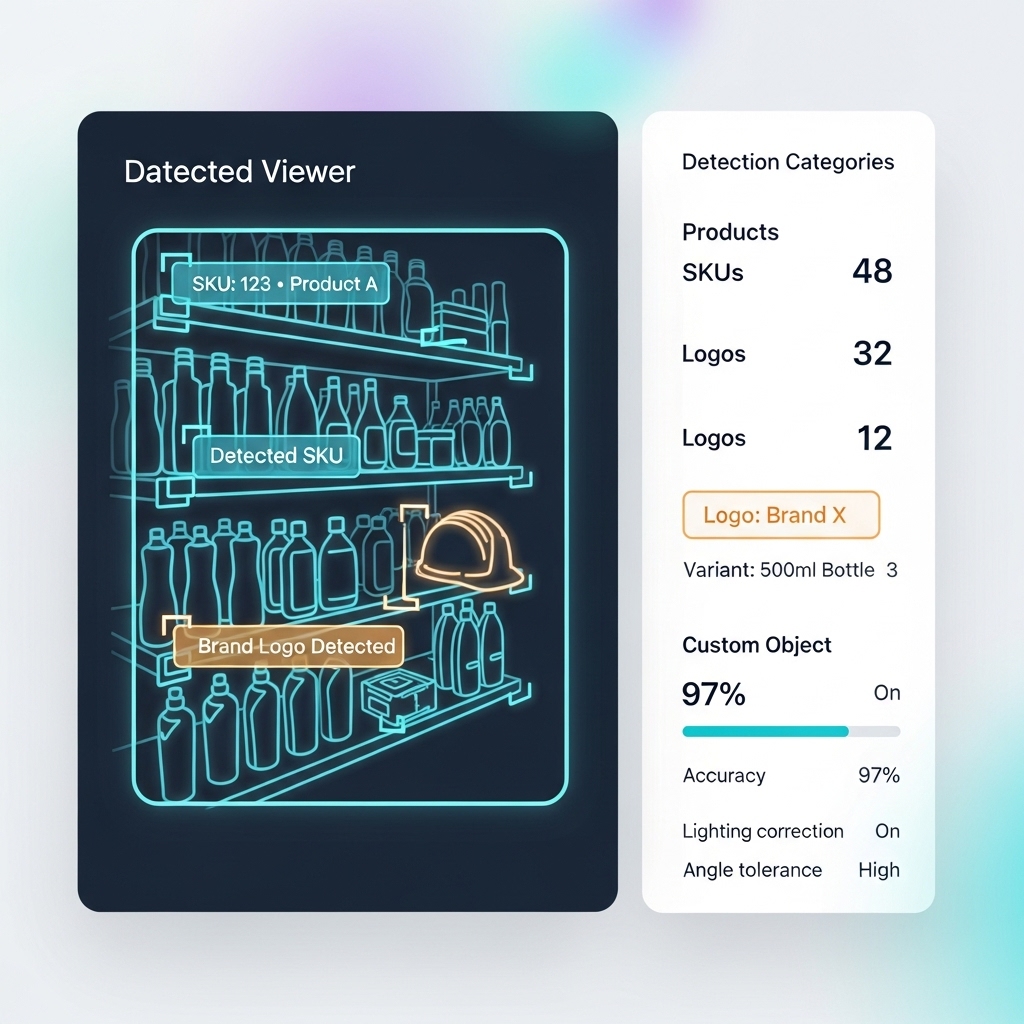
- Product & SKU IdentificationDetects individual products, models, and SKUs from a single photo, even in crowded shelves or complex displays. Handles different packaging, sizes, and variants.
- Logo & Brand DetectionAutomatically recognizes brand logos and marks, providing instant visibility into brand presence and share of space.
- Custom Object TrainingNeed to spot a specific asset, safety equipment, or defect? Train the AI on your own image library to detect custom objects unique to your operations.
- Robust PerformanceEngineered to handle challenging conditions like partial occlusion (hidden products), skewed angles, and varying lighting, ensuring reliable data capture every time.
Actionable Data, Not Just Photos
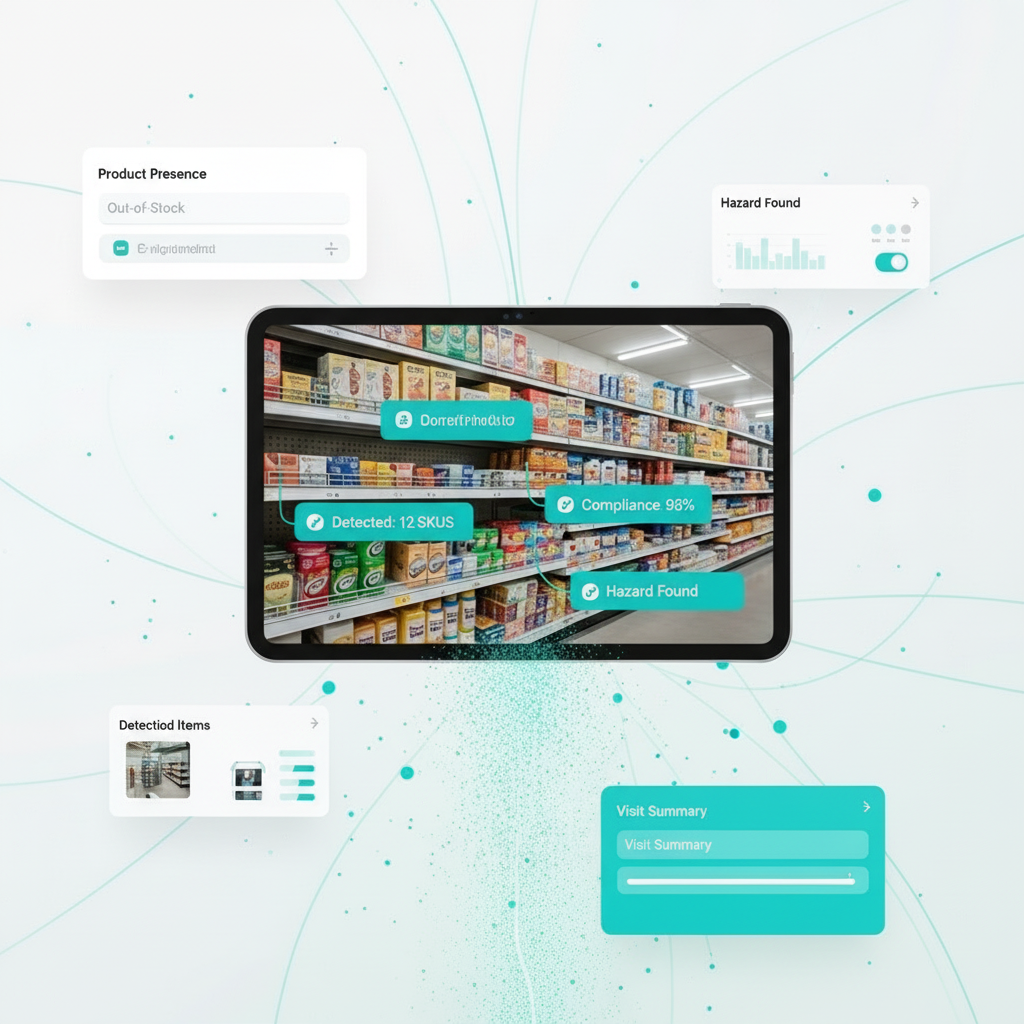
- Turns images into structured fields: product presence, compliance rate, hazards, and more.
- Links results to your master catalog, audit templates, or inspection checklists.
- Produces instant, shareable reports—timestamped, geotagged, and annotated.
- Triggers workflows automatically: schedule a revisit, alert a manager, create a follow-up task.
Where It Helps
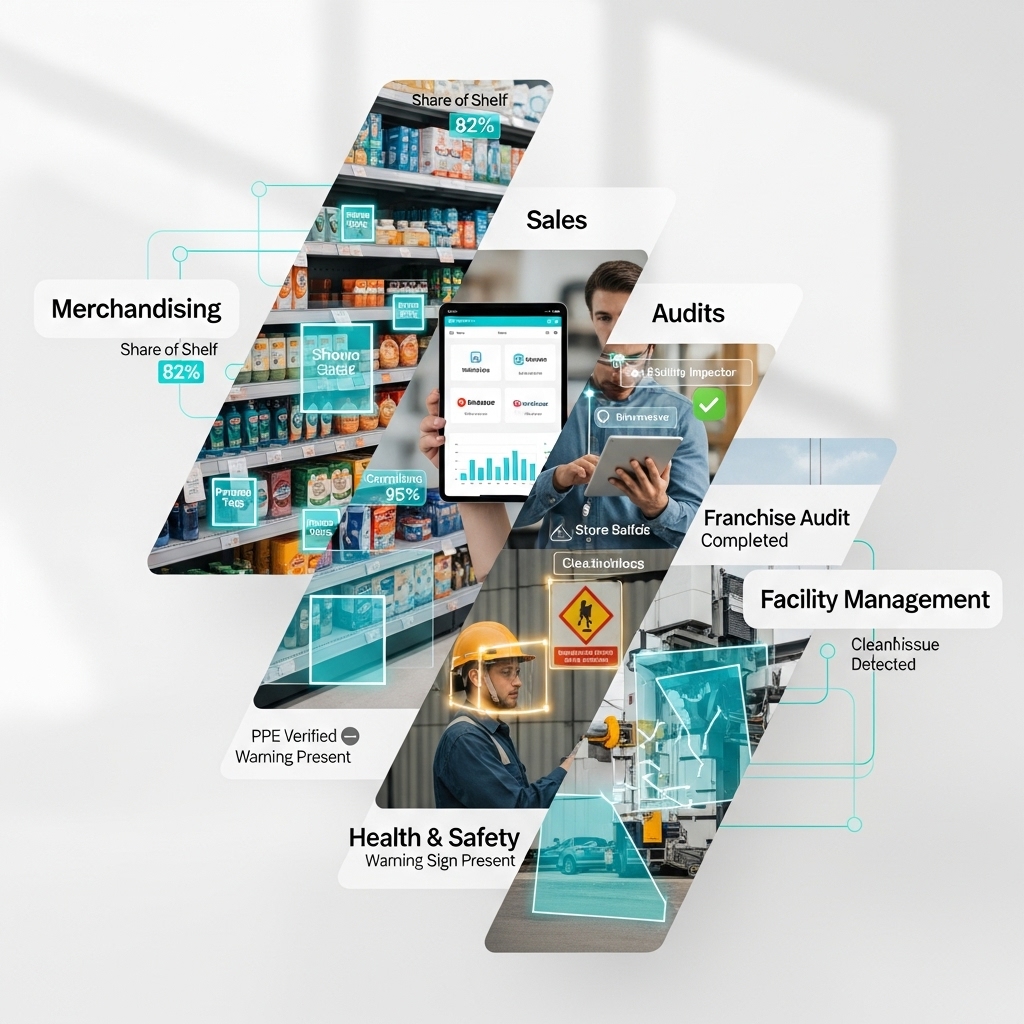
- MerchandisingAvailability, share of shelf, promo compliance—checked in seconds.
- AuditsStandardize franchise inspections and compare stores fairly.
- Health & SafetyConfirm PPE use, warning signs, and safe environments.
- Facility ManagementSpot maintenance needs, cleanliness gaps, and asset issues.
- SalesTrack visibility, prevent stocouts and benchmark competitors.
What Our Clients Say About FieldPie
FieldPie’s image recognition has completely changed how we review store execution. I can see shelf layouts and product placement in real time without waiting for reports or calls. Everything is clear, organized, and easy to follow, which helps our team act faster when something needs attention.


Daniel Ruiz
Merchandising Director, SnapBuy Retail
What I like most is how quick and easy the image recognition is. You take a photo and instantly see how well the display matches the planogram. It’s simple for the team to use, and it helps us spot issues before they turn into bigger problems.
Omar Hussein
Trade Marketing Manager, VistaFoods
The AI recognition gives us a clear picture of our brand presence across stores. It’s fast, accurate, and helps us understand shelf visibility at scale. We now have solid data behind every discussion with our retail partners, which makes decision-making a lot easier.
Sophie Turner
Brand Activation Lead, NovaBev
The AI photo analysis saves us a huge amount of time. We used to go through hundreds of photos manually to check planogram compliance, and now it takes just a few minutes. It’s accurate and reliable, and it’s made our reporting process much more efficient.
Hannah Kim
Retail Data Analyst, BloomMart













Award-winning FieldPie Built For You
Trusted for innovation and renowned ease of use in field operation.


Latest Blog
Explore our latest tips
Frequently Asked Questions
- How does AI Image Recognition work in FieldPie?
FieldPie AI Image Recognition uses computer vision and machine learning to analyze photos captured during field visits. The system detects products, shelves, signage, assets, and compliance issues by comparing images against predefined rules, product catalogs, and operational standards.
By converting images into structured data, FieldPieenables faster analysis, higher accuracy, and more consistent retail execution across all locations. - How does AI Image Recognition improve retail execution?
AI Image Recognition eliminates manual audits and subjective checks by automatically identifying gaps such as out-of-stock products, planogram violations, missing promotions, and brand non-compliance.
This allows teams to correct issues in real time, protect shelf availability, and maintain consistent brand standards—resulting in better store performance and increased sales. - Does AI Image Recognition disrupt field team workflows?
No. FieldPie AI Image Recognition is built directly into existing field tasks, audits, and store visits. Reps simply capture photos as part of their normal workflow.
AI analysis runs automatically after image capture, returning results without adding extra steps. This keeps field teams focused on execution instead of manual reporting. - How is AI Image Recognition implemented?
Implementation starts by defining what the AI should recognize—such as products, displays, assets, or safety requirements. FieldPie then aligns AI detection with your business rules, audit templates, and workflows.
Most teams roll out AI Image Recognition gradually, validating results with real field images before scaling across regions or use cases. - What happens when new products or SKUs are introduced?
FieldPie AI Image Recognition is designed to adapt to changing assortments. New SKUs, packaging updates, or assets can be added to the recognition model using reference images and product data.
This ensures continuous accuracy even as product portfolios evolve over time. - How quickly can results be seen?
With FieldPie, images are analyzed within minutes — allowing teams to view insights directly on-site in real time. Depending on the project scope and model training requirements, accuracy levels typically reach the desired performance within 1–2 weeks. As more images are processed, insights become increasingly powerful and actionable.